Keeping a fleet running efficiently is no small task, especially for businesses that rely on their vehicles for daily operations. In Willards, fleet owners understand that routine maintenance is more than just a checklist—it’s the key to preventing breakdowns, reducing downtime, and ensuring the safety of drivers and cargo. Whether it’s a trucking company, delivery service, or construction firm, every business depends on its fleet to stay ahead. That’s where professional fleet maintenance comes into play.
At East Line Road Repair Shop, we recognize the importance of keeping commercial vehicles in top shape. A well-maintained fleet not only extends the life of your trucks but also helps you avoid unexpected expenses. From oil changes and tire rotations to brake inspections and electrical diagnostics, consistent maintenance is the foundation of operational success. Small issues left unattended can quickly escalate into major repairs, leading to delays and higher costs. Investing in regular fleet servicing means fewer interruptions, improved fuel efficiency, and a reliable schedule for your business.
Fleet maintenance in Willards isn’t just about fixing problems when they arise; it’s about preventing them from happening in the first place. Proactive care is the best way to keep your fleet running smoothly, mile after mile.
The Importance of Fleet Maintenance
Managing a fleet of vehicles, whether for a small business or a large enterprise, involves more than just ensuring they are operational. Regular fleet maintenance is critical to safety, cost efficiency, performance, regulatory compliance, and longevity. Here’s an in-depth look at why fleet maintenance is indispensable:
1. Safety First
Safety is the cornerstone of any fleet management strategy. Vehicles on the road face numerous hazards, from unpredictable weather conditions to mechanical failures. Regular maintenance checks ensure that critical components such as brakes, tires, lights, steering mechanisms, and suspension systems are in optimal working condition. Faulty brakes or worn-out tires can significantly increase the risk of accidents, putting drivers, passengers, and other road users in danger. Routine inspections help identify and rectify potential issues before they escalate into serious safety hazards. Moreover, well-maintained vehicles are less likely to break down unexpectedly, reducing the chances of accidents caused by sudden mechanical failures.
2. Cost Efficiency
While some may view regular maintenance as an added expense, it is, in fact, a cost-saving strategy in the long run. Preventive maintenance helps identify minor issues before they turn into major, costly repairs. For example, replacing worn-out brake pads is far less expensive than repairing a damaged braking system caused by neglect. Additionally, well-maintained vehicles are less prone to breakdowns, minimizing unplanned downtime that can disrupt business operations and lead to lost revenue. Fleet maintenance also contributes to better fuel efficiency, as engines and other components perform optimally, reducing fuel consumption.
3. Enhanced Performance
A well-maintained fleet operates more efficiently and reliably. Regular servicing ensures that engines run smoothly, transmissions shift properly, and all mechanical and electrical systems function as intended. This leads to improved fuel economy, smoother handling, and overall better vehicle performance. Drivers also benefit from operating vehicles that are responsive and reliable, which can enhance job satisfaction and reduce fatigue. Furthermore, consistent performance helps businesses maintain their reputation for reliability, as customers and clients can depend on timely deliveries and services.
4. Regulatory Compliance
Many industries are subject to strict regulations regarding vehicle safety and emissions. Non-compliance with these regulations can result in hefty fines, legal issues, and even the suspension of business operations. Regular fleet maintenance ensures that vehicles meet the required safety and environmental standards. Routine inspections help detect issues that could lead to regulatory violations, such as faulty emissions systems or worn-out safety equipment. Staying compliant not only avoids legal repercussions but also demonstrates a company’s commitment to responsible and ethical business practices.
5. Longevity of Vehicles
Vehicles are significant investments, and maximizing their lifespan is crucial for achieving a good return on that investment. Regular maintenance, including oil changes, fluid checks, tire rotations, and timely part replacements, helps prevent premature wear and tear. Well-maintained vehicles experience fewer breakdowns and require fewer major repairs over their lifespan. This not only saves money but also reduces the need for frequent vehicle replacements, allowing businesses to allocate resources more effectively. In addition, a comprehensive maintenance record can increase a vehicle’s resale value, as buyers are more confident in the condition and reliability of a well-documented, regularly serviced vehicle.
Key Components of Fleet Maintenance
Effective fleet maintenance is essential for ensuring vehicle reliability, safety, and longevity. Here are the key components that help keep a fleet in top condition:
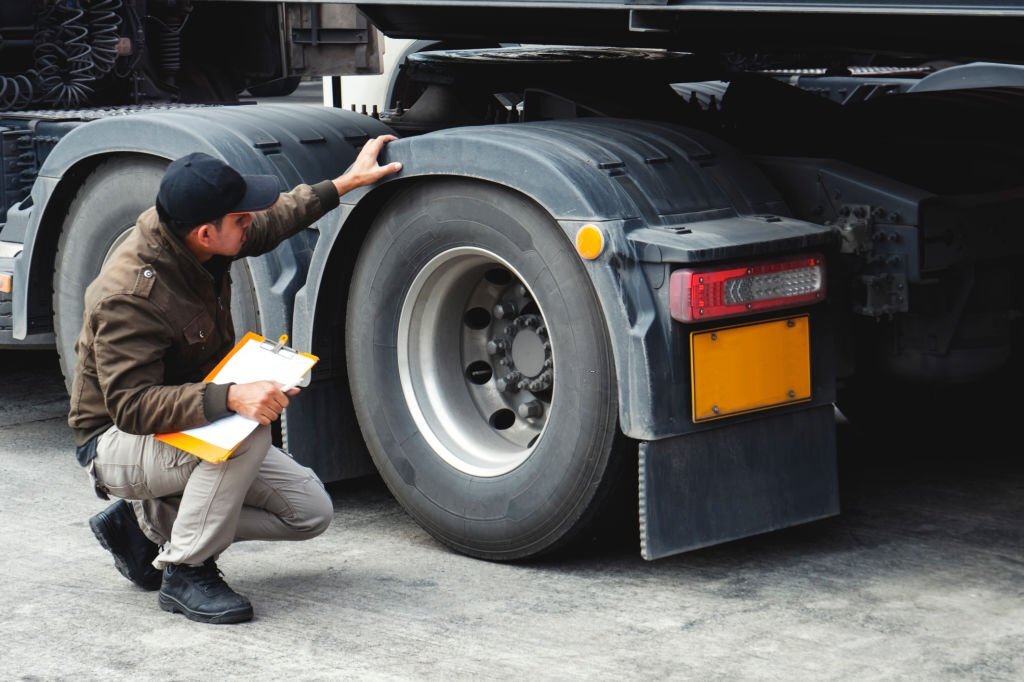
- Regular Inspections: Routine inspections are crucial for identifying potential issues before they escalate. This includes checking critical components such as brakes, tires, fluid levels, lights, and suspension systems. Early detection helps prevent costly repairs and unexpected breakdowns.
- Oil and Fluid Changes: Regular oil changes are vital for engine health, reducing wear and tear, and maintaining smooth performance. Additionally, checking and replenishing fluids like brake fluid, transmission fluid, and coolant ensures optimal functionality of key systems.
- Tire Maintenance: Proper tire care improves fuel efficiency and extends tire lifespan. Regular rotations, balancing, and wheel alignments help distribute wear evenly, enhance handling, and reduce the risk of blowouts.
- Brake System Checks: A well-maintained brake system is critical for safety. Regularly inspecting brake pads, rotors, and brake fluids helps ensure the braking system responds effectively in all driving conditions.
- Battery and Electrical System: Testing the battery and electrical components, such as alternators and starters, prevents unexpected failures. Regular checks ensure the reliability of the vehicle’s electrical systems.
- HVAC System: Maintaining the heating, ventilation, and air conditioning systems is important for driver comfort and safety, especially in extreme weather. Regular servicing helps regulate cabin temperature and defrost windows effectively.
Benefits of Partnering with East Line Road Repair Shop
Choosing the right partner for fleet maintenance in Willards can significantly impact your business’s efficiency and bottom line. At East Line Road Repair Shop, we’re committed to providing top-quality service that keeps your fleet running smoothly. Here’s what sets us apart:
- Expert Technicians: Our team consists of highly skilled technicians with extensive experience in servicing a wide range of vehicles, from light-duty trucks to heavy commercial fleets. Their expertise ensures that every job is done right the first time.
- Customized Maintenance Plans: We understand that no two fleets are the same. That’s why we offer tailored maintenance programs designed to meet the specific requirements of your business. Whether you operate a small fleet or a large commercial operation, we’ll create a plan that fits your needs.
- Quick Turnaround: Downtime can be costly. That’s why we focus on efficiency, ensuring quick turnaround times without compromising on the quality of service. Our goal is to get your vehicles back on the road as soon as possible.
- Comprehensive Services: From routine oil changes and tire rotations to complex engine repairs and diagnostics, we offer a full range of services to keep your fleet in top condition. You can rely on us for all your maintenance and repair needs.
- Advanced Diagnostic Tools: Equipped with the latest diagnostic technology, we can accurately identify and address issues quickly and effectively, reducing guesswork and ensuring precise repairs.
How Regular Maintenance Reduces Downtime
For businesses that rely on a fleet, downtime can lead to lost productivity, delayed deliveries, and increased costs. Regular maintenance is key to reducing downtime and keeping operations running smoothly.
- Preventing Major Breakdowns: Routine maintenance helps identify and address minor issues before they escalate into major, costly problems. Regular inspections of critical components like brakes, tires, engines, and fluid systems allow technicians to catch wear and tear early, preventing unexpected breakdowns that could sideline vehicles for extended periods.
- Improving Reliability: Well-maintained vehicles are more dependable. Consistent care, such as timely oil changes, tire rotations, and brake checks, ensures that vehicles perform at their best. This reduces the likelihood of sudden failures, giving businesses confidence in their fleet’s reliability, especially during demanding schedules.
- Optimizing Schedules: Scheduled maintenance allows businesses to plan downtime proactively, minimizing disruptions. By coordinating maintenance during off-peak hours or staggered schedules, companies can keep most of their fleet operational, ensuring seamless day-to-day activities without unexpected interruptions.
Creating a Fleet Maintenance Schedule
Developing a consistent maintenance schedule is key to effective fleet management. Consider the following steps:
- Assess Vehicle Needs: Different vehicles have different maintenance requirements based on their make, model, usage, and mileage.
- Set Regular Checkpoints: Schedule regular inspections and services, such as oil changes every 5,000 miles or brake checks every 10,000 miles.
- Keep Detailed Records: Maintain logs of all maintenance activities, including dates, services performed, and parts replaced.
- Monitor Vehicle Performance: Pay attention to changes in performance, unusual noises, or warning lights that may indicate potential issues.
- Incorporate Driver Feedback: Drivers are often the first to notice issues. Encourage them to report any concerns promptly.
Conclusion
Fleet maintenance in Willards goes beyond routine check-ups—it’s a strategic investment in the safety, reliability, and efficiency of your business operations. A well-maintained fleet reduces downtime, minimizes costly repairs, and ensures that your vehicles perform at their best, helping you meet deadlines and keep your business running smoothly.
When you partner with East Line Road Repair Shop, you’re entrusting your fleet to experienced professionals who understand the demands of commercial vehicles. Our team is dedicated to providing thorough preventive maintenance, quick diagnostics, and efficient repairs to keep your fleet on the road and out of the shop. We focus on early issue detection, regular inspections, and tailored maintenance plans to meet your specific operational needs.
From routine oil changes and brake checks to advanced diagnostics and complex repairs, we offer comprehensive services designed to enhance your fleet’s performance and longevity.Ready to optimize your fleet’s efficiency and reduce downtime? Contact East Line Road Repair Shop today to schedule your next maintenance service. Let us show you the difference professional, reliable care can make for your business.