Fleet Maintenance in Willards, MD
Heavy machinery, especially for those companies needing a fleet to keep the company working, cannot operate without properly serviced vehicles. In Willards, industries—from agriculture to construction and from construction to logistics—are highly reliant on their fleets to get the job done. Therefore, fleet maintenance is not a matter of convenience but an important factor in the minimization of downtown, ensuring maximum productivity as well as safety on the roads.
What is Fleet Maintenance?
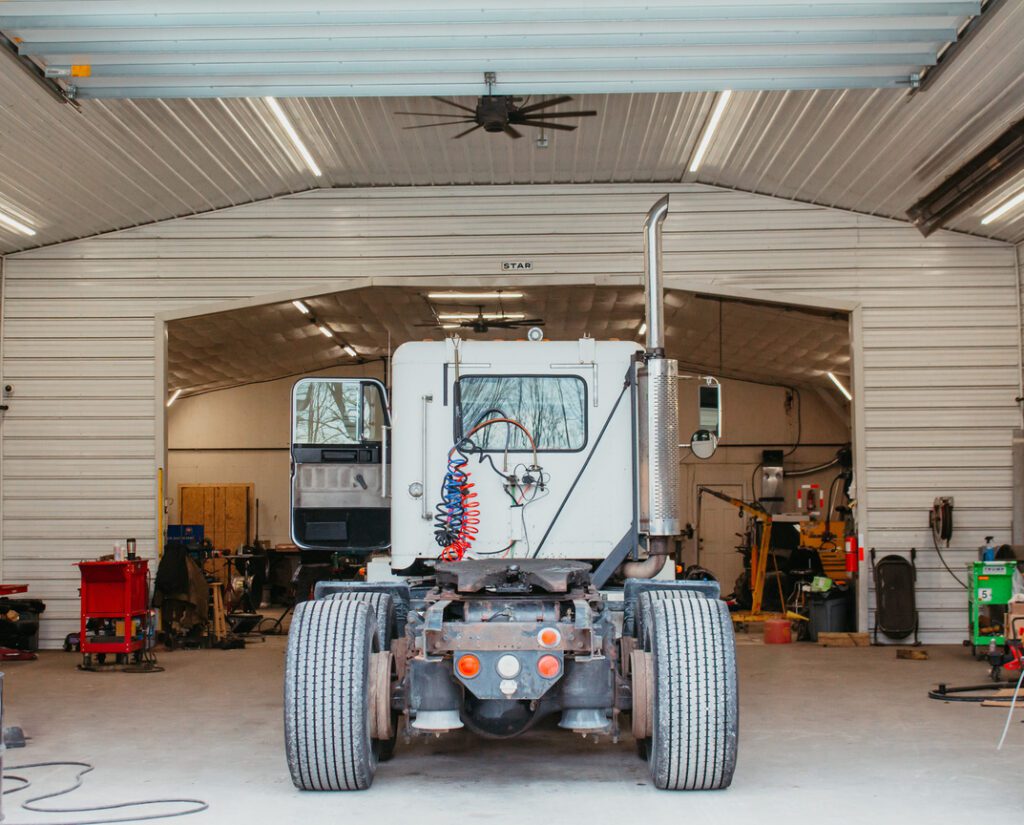
Fleet maintenance is the general routine upkeep and servicing that needs to be performed on the running of fleets day in and day out within the business. Simple activities such as oil changes, brake checks, tire rotation, and engine diagnostic work are necessary to make sure vehicles can operate efficiently.
Goals are beyond solving just the current situation but to foresee and prevent chances of such happenings in the future. There will be minimization of unplanned breakdowns and delays whenever possible. A well-maintained fleet will make sure that the jobs get completed on time within budgets while promising excellent standards while servicing the customers.
Why Fleet Maintenance Matters for Businesses in Willards
Prevent Unplanned Break
Another major benefit that comes with the maintenance of the fleet is a reduction in the chance of breakdowns occurring when it is least anticipated. Imagine if it happened in a little town like Willards; with a few shops around and mostly scarce spare part availability, it gets chaotic; most businesses find a fix but not very timely. In any case, routine checkups significantly reduce the chances for downtime.
Improvement in Safety
Vehicle safety goes hand in glove with fleet maintenance. Regular checking of brakes, tires, suspension, and lights averts accidents caused by mechanical failure. This is important regarding the safety of the employees—the drivers—and other road users. For towns where roads may not always be in perfect condition, it is paramount that the vehicles are in optimal working order.
Cost Savings
Although there are some investments in the upfront phase, fleet maintenance usually pays off in the long run because it involves considerable savings. The reason is quite straightforward: preventive maintenance discovers problems when they can still be fixed more easily and much more inexpensively. Moreover, well-maintained vehicles can travel more efficiently, which means that their fuel consumption will go down, decreasing operational costs.
Regulatory Compliance
The key aspects that a business has to consider while operating a fleet include safety and environmental concerns. Routine maintenance will most definitely help the vehicles pass and avoid penalties and fines for being below par. Be it the emission standards or the safety inspections, the regular maintenance of the vehicle keeps the businesses in good books with the regulatory bodies.
How Local Infrastructure Impacts Fleet Maintenance
Willard’s local road conditions are a part of fleet management. While routine vehicle maintenance is important, the conditions of the roads on which the vehicles travel affect performance and how long the vehicle will last. Bad road surfaces—especially those that can be weathered or highly trafficked—will expedite wear on tires, suspension systems, and alignment.
For example, aside from being hazardous, highly potholed, cracked, or uneven roads contribute to increased vehicle stress, raising the number of repairs needed and operational expenses. A vehicle that is driven consistently on poorly serviced roads may require more frequent checks, especially in those areas where there would be much wear and tear. It means that the road conditions are among the relevant factors relative to consideration by fleet owners here in Willards.
Strategies for Effective Fleet Maintenance in Willards
These are fleet management strategies that need to be adopted by businesses in Willards to make certain that their fleets keep running irrespective of the challenge thrown up by the local infrastructure.
Preventative Maintenance Program
The preventive maintenance program keeps the companies ahead of the impending problems. With a common setup for regular inspection, often minor issues get mended before they turn into major money guzzlers with cumbersome interruptions. Companies must remain in contact with the local mechanics to see that vehicles are inspected at the proper time intervals and that parts are replaced before failure.
Utilize Fleet Management Software
Fleet management software might just be that game-changing thing for your business in Willards. It helps to track vehicle performance, maintenance schedules, fuel usage, and driver behavior. This information will then be utilized by the fleet managers in making necessary adjustments in their operations, reducing fuel consumption, and focusing on properly maintaining their vehicles on time.
Get the Proper Training for Drivers
Driver behavior directly influences the life and condition of the vehicle. Driver training teaches the employees to drive safely, such as keeping tires inflated, avoiding jackrabbit starts or hard stops, and steering clear of potholes. Well-trained drivers can minimize the worst effects of bad road conditions, thus helping extend the life of the fleet.
Perform Regular Inspections Centered on Key Areas
Regular vehicle inspections prevent problems and safety. Routine checks should be oriented on key parts of the vehicles that are much more exposed to wear and tear, such as tires, brakes, oil, fluid levels, and alignment. On fleets managed within Willards, these inspections are to be expected more often due to local road conditions, which could mean extra stress for the moving vehicles.
Know the Road Conditions
It would be worth educating oneself regarding changes in the condition of infrastructure and roadways locally in Willards. Find the local authorities through reporting of concern areas, thereby further advocating to ensure the local roads remain at least in good enough condition. Even avoiding heavy-traffic construction zones would become another way to prolong the fleet’s life and reduce fuel costs.
Invest in the Right Vehicles for the Job
Long-term fleet management also involves choosing the right type of vehicle for the demands of the job. For example, if the roads are bad or poorly serviced, it would make more sense to choose those constructed to take up some of that roughness, features like heavy-duty suspensions or off-road capabilities. Business owners who select new additions to their fleet should be aware of the specific demands put by local road conditions on vehicle durability, fuel efficiency, and specific maintenance needs.
Contributing to the Improvement of Local Infrastructure
Without good local infrastructure, building and maintaining fleets to operate in areas like Willards is extremely critical. Poor road conditions and shortage of signage reduce the effectiveness of a business can work at and the effectiveness a fleet can keep up with. Wherever possible, local authorities would work with businesses for the same idea that transportation routes remain safe.
This will create a win-win situation in which the fleet owners and local government develop a symbiotic relationship to ensure better infrastructure that facilitates transportation at its best. Perhaps this may lead to better roads and better fleet management, which would be easier to do business with and of benefit to all parties.
Conclusion
Fleet maintenance is an important business factor in Willard that flourishes with their company operations. In either aspect—safety, fuel efficiency, or law requirements—routine maintenance of their fleet could considerably alter the enterprise’s bottom line. Again, local infrastructure like East Line Road Repair comes in to support their fleet operations. In this manner, a business has to pay attention to its fleet and to the roads on which its fleet would be driven, like East Line Road Repair.
Accordingly, in cooperation with the state and local representatives, proactive preventive maintenance for one’s fleet in the business environment set forth by Willard tends to reduce accidents, enhance driver safety, drive down operations-related costs, and improve operational productivity. So, the fleets can serve this community and, in return, create growth into the economic vitality of this area for years into the future—with proper care and attention.